Water damage service
Gainesville Rapid Water Damage: sewage and black water cleanup in Gainesville, FL
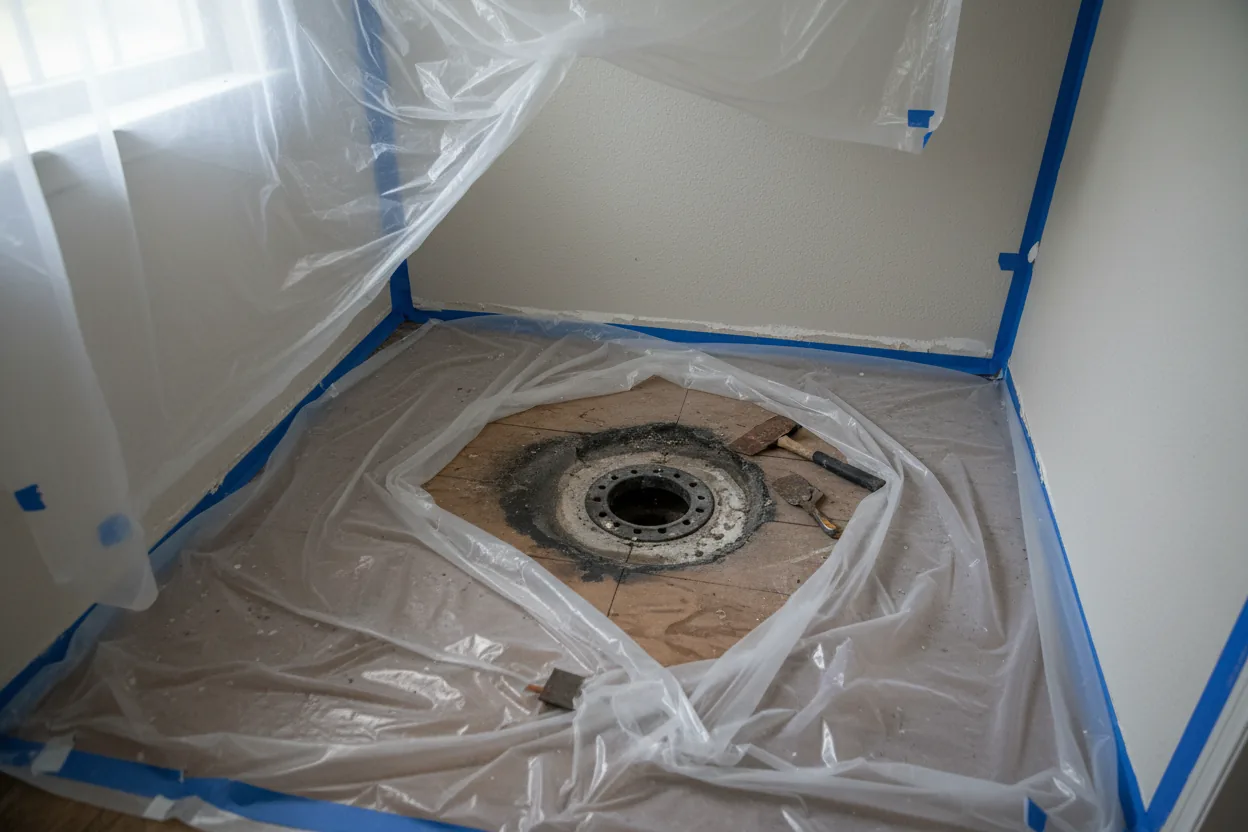
Gainesville Rapid Water Damage cleans up sewage backups in Gainesville homes and businesses under full containment. A sewage backup is category three black water, which means it carries bacteria and pathogens and is a health hazard rather than only a property problem. This is the one water loss on this site that you should not attempt to clean yourself, regardless of how small it looks.
Call (352) 450-6122 Same-day response* across Gainesville and Alachua County
In older Gainesville neighbourhoods the cause is frequently the drain line itself. Houses built before the mid-1970s often still drain through cast iron, which corrodes from the inside and eventually collapses or blocks. The backup is usually the first symptom.
Handling a category three sewage backup
The sequence is dictated by the health risk. Containment goes up before anything is touched, and porous material that contacted the water is removed rather than cleaned.
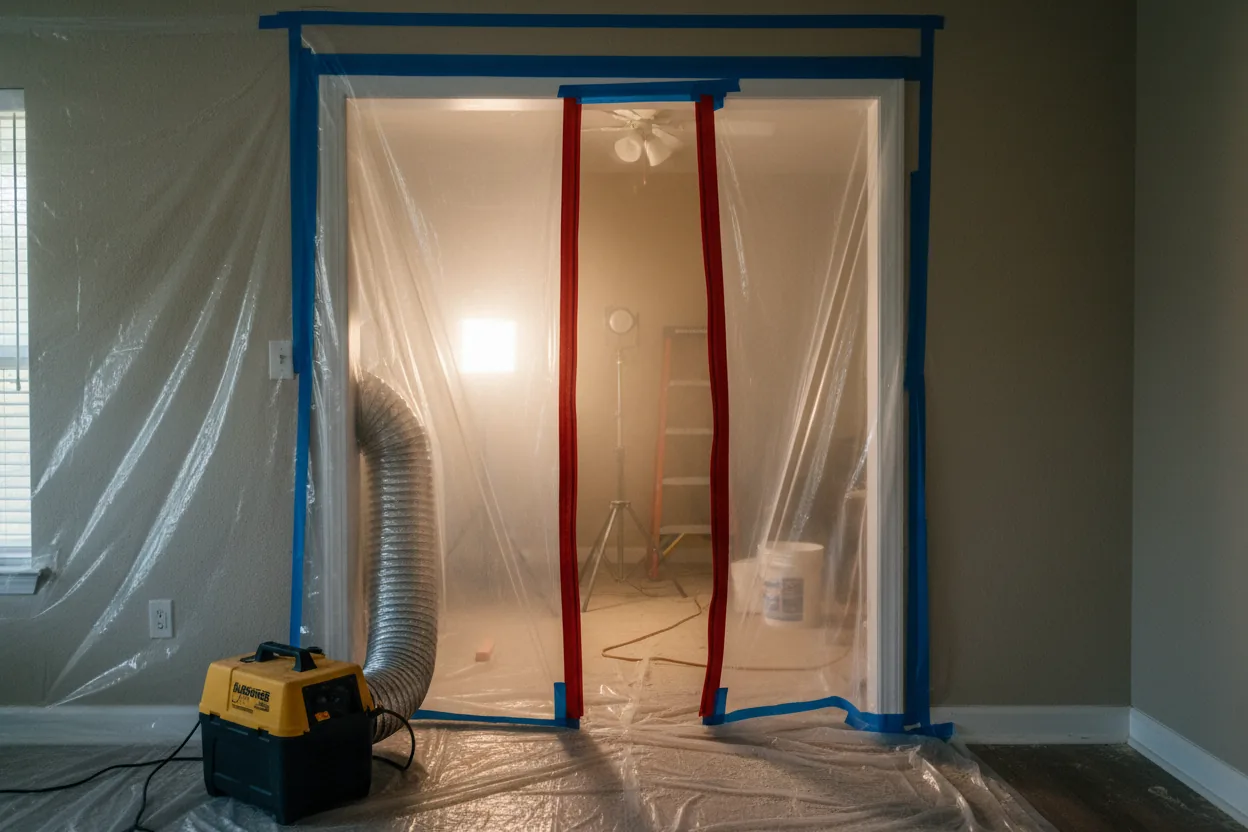
Containing the affected area
Sealed barriers and negative air pressure so contaminated air does not move into clean parts of the building while work proceeds.
Removing contaminated material
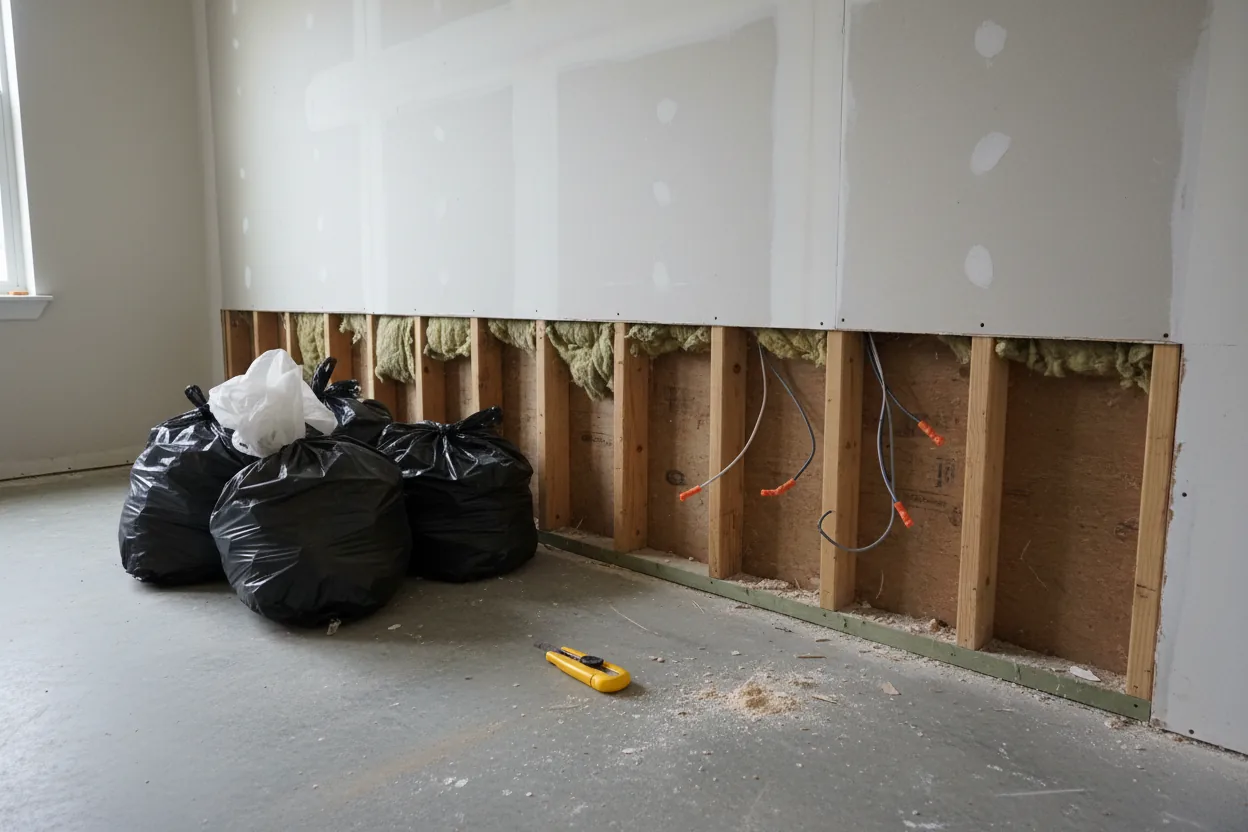
Carpet, pad, drywall, and any porous material the water contacted comes out. This is not a judgement call with category three water.
Cleaning and disinfecting the structure
Framing, slab and hard surfaces are cleaned, then treated with an appropriate antimicrobial and verified before rebuild.
Drying and deodorising after cleanup
The area is dried to a documented reading, then treated for odour at the source rather than masked.
Identifying why Gainesville sewage backups happen
Knowing the cause matters because cleanup without a repair guarantees a repeat.
Failing cast iron drain lines
Common in Gainesville houses built before roughly 1975. Cast iron corrodes internally, narrows, and eventually blocks or collapses, usually with no warning before the backup.
Tree roots in the lateral
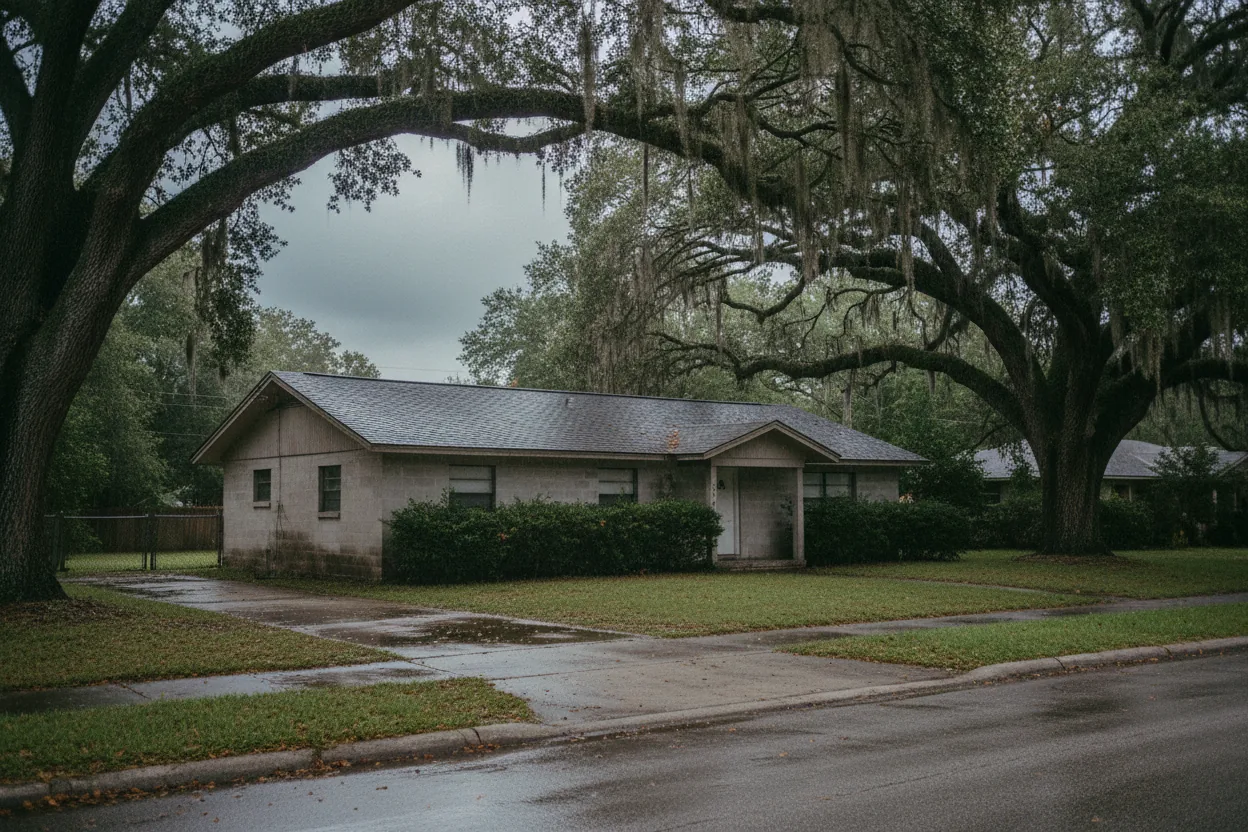
Mature live oaks and water oaks across the older neighbourhoods send roots into any joint that weeps, and the lateral to the street is the usual victim.
Heavy rain overwhelming the system
During intense summer storms, inflow into the sanitary system can exceed capacity and push back into the lowest fixture in the house, which is often a ground-floor shower.
Step by step
How sewage cleanup runs
- Keep people and pets out. The area is treated as a health hazard from the first minute, before any assessment.
- Build containment. Sealed barriers and negative air so contamination cannot migrate through the building.
- Extract and remove. Water is extracted, then all affected porous material is removed and bagged for disposal.
- Clean and disinfect. Hard surfaces are washed and treated with antimicrobial, twice where warranted.
- Dry, verify and deodorise. Equipment runs to a documented reading, then odour is treated at source.
- Rebuild. Material is replaced only after the space reads dry and clean.
Straight answers on price
What sewage cleanup costs
Sewage cleanup is the most expensive water category per square foot, because almost nothing porous is saved and the containment and disposal requirements are strict.
| What drives the price | Why it moves the number |
|---|---|
| Area contacted | Every square foot the water touched is in scope for removal or disinfection, which is usually a larger area than the visible spread. |
| Porous material volume | Carpet, pad, drywall and insulation come out as a rule rather than an exception, so the removal volume is high. |
| Disposal | Contaminated material requires proper handling and disposal, which is a real cost a clean water job does not carry. |
| Containment scale | Barriers, negative air machines and protective equipment for the crew scale with the size of the work area. |
| The plumbing repair | A collapsed cast iron lateral is a separate licensed plumbing cost, and on older Gainesville homes it is frequently the larger number. |
Sewer backup is commonly EXCLUDED from base homeowners policies and covered only by a specific water backup endorsement, which many people do not realise they lack until it happens. Check your declarations page for a water or sewer backup rider.
Questions people ask
Questions people ask
Can I clean up a small sewage backup myself?
We advise against it at any size. Category three water carries bacteria and pathogens, and household cleaning does not decontaminate porous material. It also spreads contamination through the building on shoes and equipment. This is the one loss type worth calling on immediately regardless of scale.
Does insurance cover a sewage backup?
Only if you carry a water or sewer backup endorsement. It is commonly excluded from the base policy and added as a rider, often for a modest premium. Check your declarations page. We document the loss fully either way, which matters if coverage is disputed.
Does everything really have to be thrown away?
Everything porous that the water contacted, yes. Carpet, pad, drywall, insulation and upholstered contents. Hard non-porous surfaces such as tile, framing and slab are cleaned, disinfected and kept, so it is not everything in the room.
Will the smell go away?
Yes, when the source is removed rather than covered. Odour after a sewage event lives in the material that absorbed it, so removing that material is most of the deodorising. What remains is treated at source after drying, not masked with fragrance.
Keep reading
Related
Flood cleanup
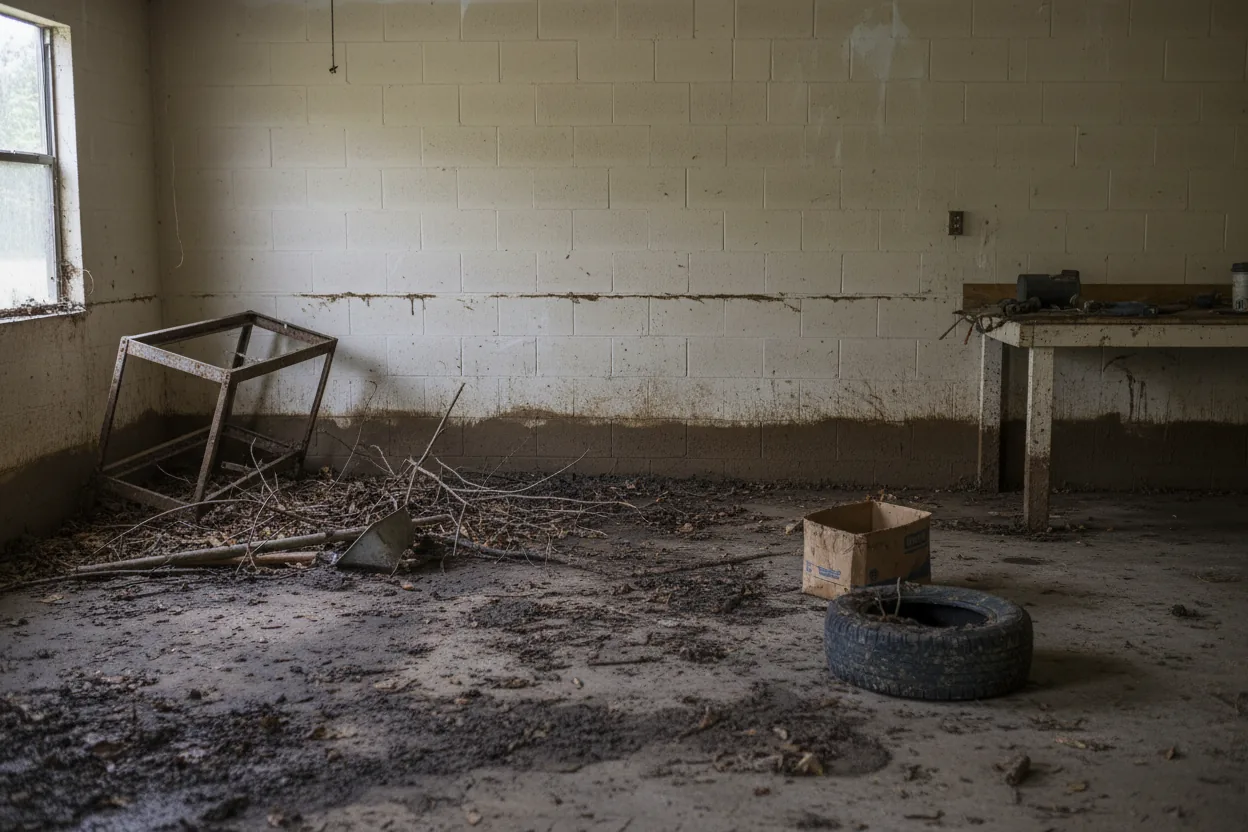
Gainesville Rapid Water Damage cleans up flood water that has entered buildings across Gainesville and Alachua County. Flood...
Mold remediation
Gainesville Rapid Water Damage remediates mold growth that follows water damage in Gainesville and Alachua County buildings....
Odor removal
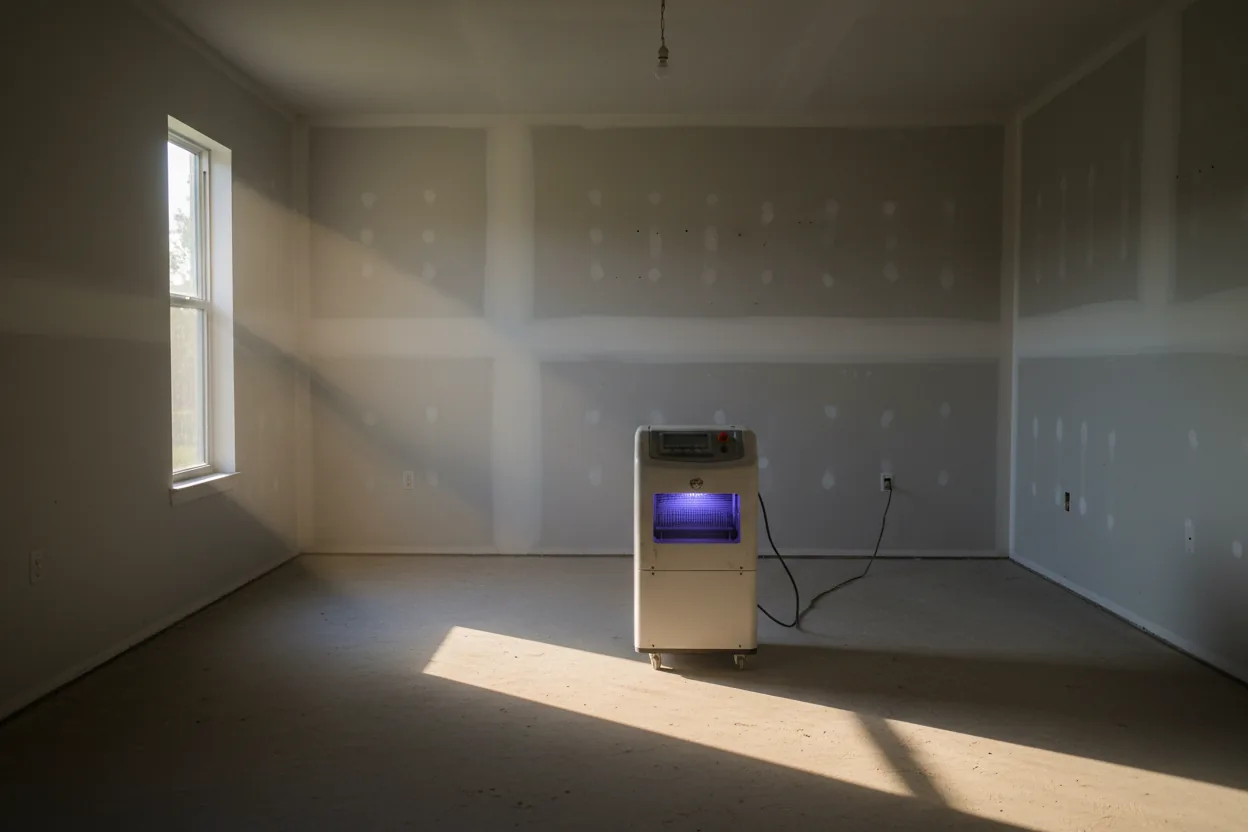
Gainesville Rapid Water Damage removes the smells left behind after a water loss in Gainesville homes and businesses, by finding...
Wet drywall removal
Gainesville Rapid Water Damage removes saturated drywall from Gainesville buildings with controlled cuts back to genuinely dry...
Water still moving? Call now.
Every hour wet material stays wet, the repair gets bigger. Gainesville Rapid Water Damage answers 24/7 and books a free on-site assessment across Gainesville and Alachua County.
Call (352) 450-6122 Same-day response*