Water damage service
Gainesville Rapid Water Damage: emergency board up and roof tarping in Gainesville, FL
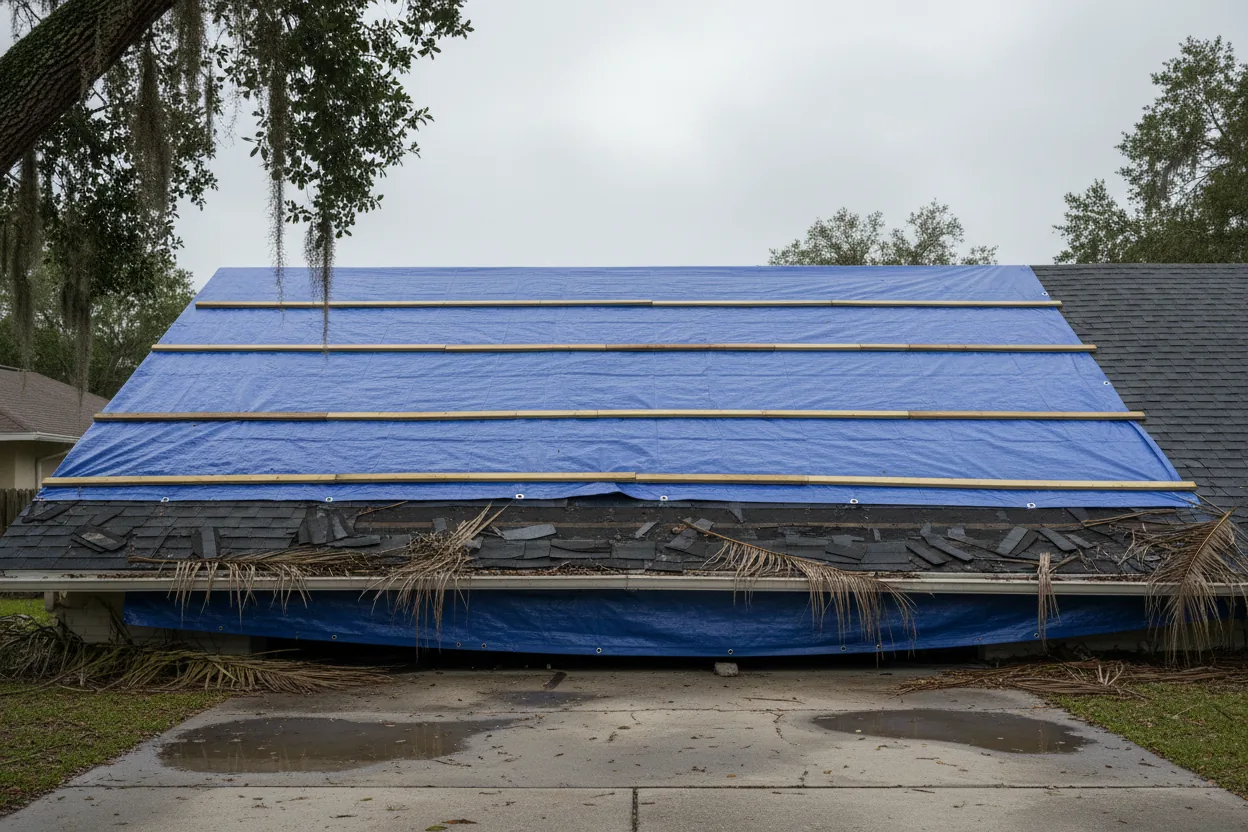
Gainesville Rapid Water Damage closes damaged building envelopes across Alachua County so weather, animals and trespass cannot make an existing loss worse. Board up and tarping is the least glamorous service on this site and frequently the highest-value one, because in a Gainesville summer the interval between storms is measured in days rather than weeks.
Call (352) 450-6122 Same-day response* across Gainesville and Alachua County
It is also usually required by your policy. Most homeowners policies place a duty on you to take reasonable steps to protect the property from further damage, so leaving an opening unaddressed can affect what gets paid.
Securing openings after damage
Speed matters more than permanence here. The objective is a weathertight, secure building until proper repairs can be scheduled.
Roof tarping after storm or impact damage
Reinforced tarps mechanically fastened over the opening and lapped correctly so wind-driven rain runs off rather than under.
Boarding broken windows and doors
Openings at ground level are a security exposure as well as a weather one, and are closed with fastened panels rather than taped plastic.
Temporary structural shoring
Where impact has compromised something load-bearing, temporary support is placed before anyone works inside the building.
Protecting the claim as well as the building
Documentation at this stage is disproportionately valuable, because the emergency work happens before the adjuster ever sees the property.
Photographing before covering
The damage is photographed thoroughly before the tarp goes on, since the tarp hides exactly what the adjuster needs to see.
Recording the mitigation
The emergency work itself is documented and dated, which is what evidences that you met the duty to mitigate.
Step by step
How emergency securing runs
- Assess safety first. Structural stability and electrical hazards are checked before anyone goes onto a roof or into the building.
- Photograph everything. Full documentation before any covering goes on, because the tarp conceals the evidence.
- Close the openings. Tarps fastened and lapped correctly, panels fitted to windows and doors.
- Start interior mitigation. With the envelope closed, extraction and drying can begin without being undone by the next storm.
Straight answers on price
What emergency board up costs
Priced on the size and height of the openings and the materials used. It is small relative to what a second storm through an open roof costs.
| What drives the price | Why it moves the number |
|---|---|
| Opening size | Tarping a single roof plane and covering a large impact opening are different amounts of material and labour. |
| Height and access | Steep or high roof work requires additional safety equipment and crew, and some roofs are not safe to tarp at all in certain conditions. |
| Number of openings | Storm damage often produces several openings at once, and each is priced individually. |
| Time of day and conditions | Work in active weather or darkness is slower and sometimes has to wait for daylight on safety grounds. |
Emergency mitigation is normally covered and is often explicitly required by the policy's duty to protect the property. Keep the invoice and the photographs; this is one of the easiest costs to get reimbursed when it is documented properly.
Questions people ask
Questions people ask
Will insurance pay for a tarp?
Usually yes. Emergency mitigation to prevent further damage is normally covered, and most policies actually require you to take reasonable protective steps. Keep the invoice and the before photographs, because that combination is what gets it reimbursed without argument.
How long can a tarp stay on?
A properly fastened tarp is a temporary measure that typically holds for weeks to a few months depending on exposure and sun. Florida ultraviolet degrades tarp material faster than most climates, so it is a bridge to permanent repair rather than a solution.
Can I tarp it myself?
Only if you can do it safely from the ground, which usually is not possible. Wet roofs after a storm are extremely slippery, and homeowner roof falls after storms are a well-documented injury pattern. It is a same-day service and worth waiting for.
Do you remove the tarp later?
The roofer doing the permanent repair normally removes it as part of their work. If the repair is delayed and the tarp needs replacing, we can do that too. Either way it should not be left indefinitely.
Keep reading
Related
Storm damage cleanup
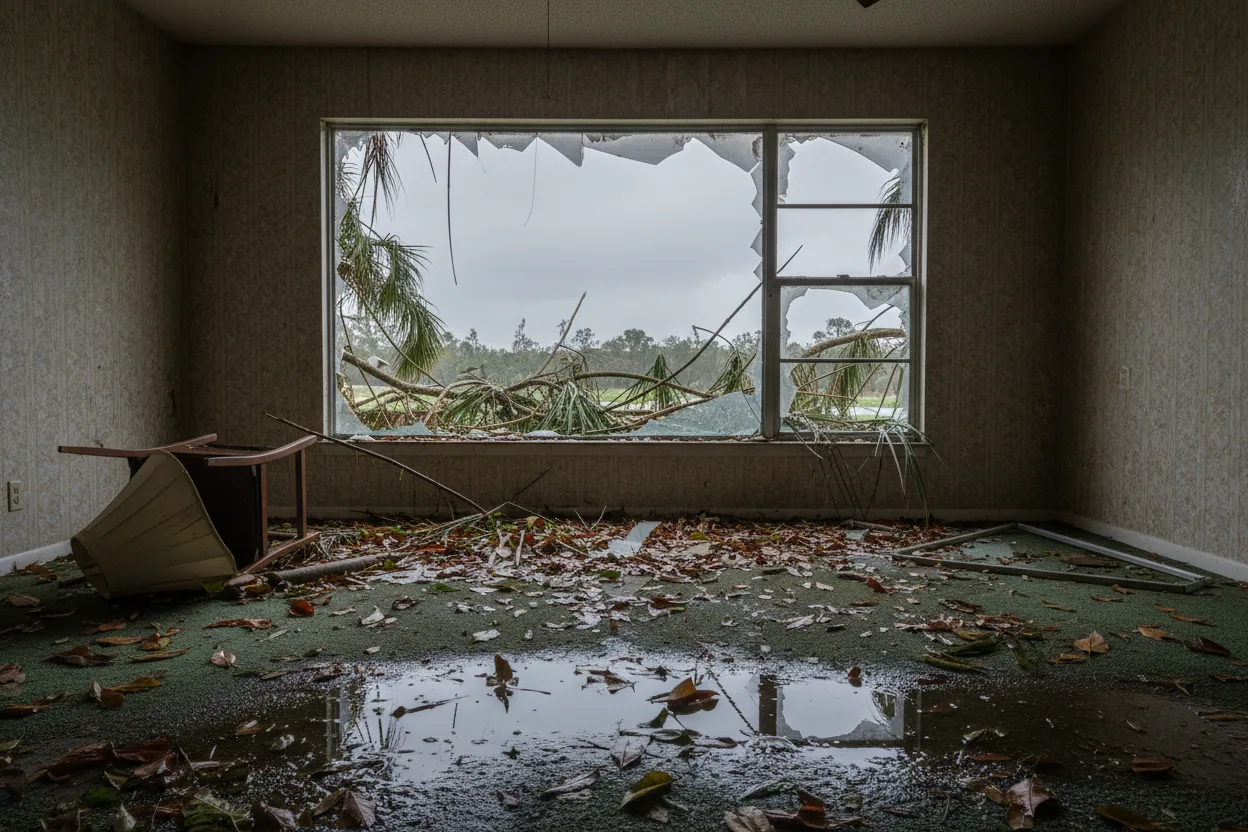
Gainesville Rapid Water Damage responds to storm-related water intrusion across Alachua County, from wind-driven rain through a...
Roof leak water damage
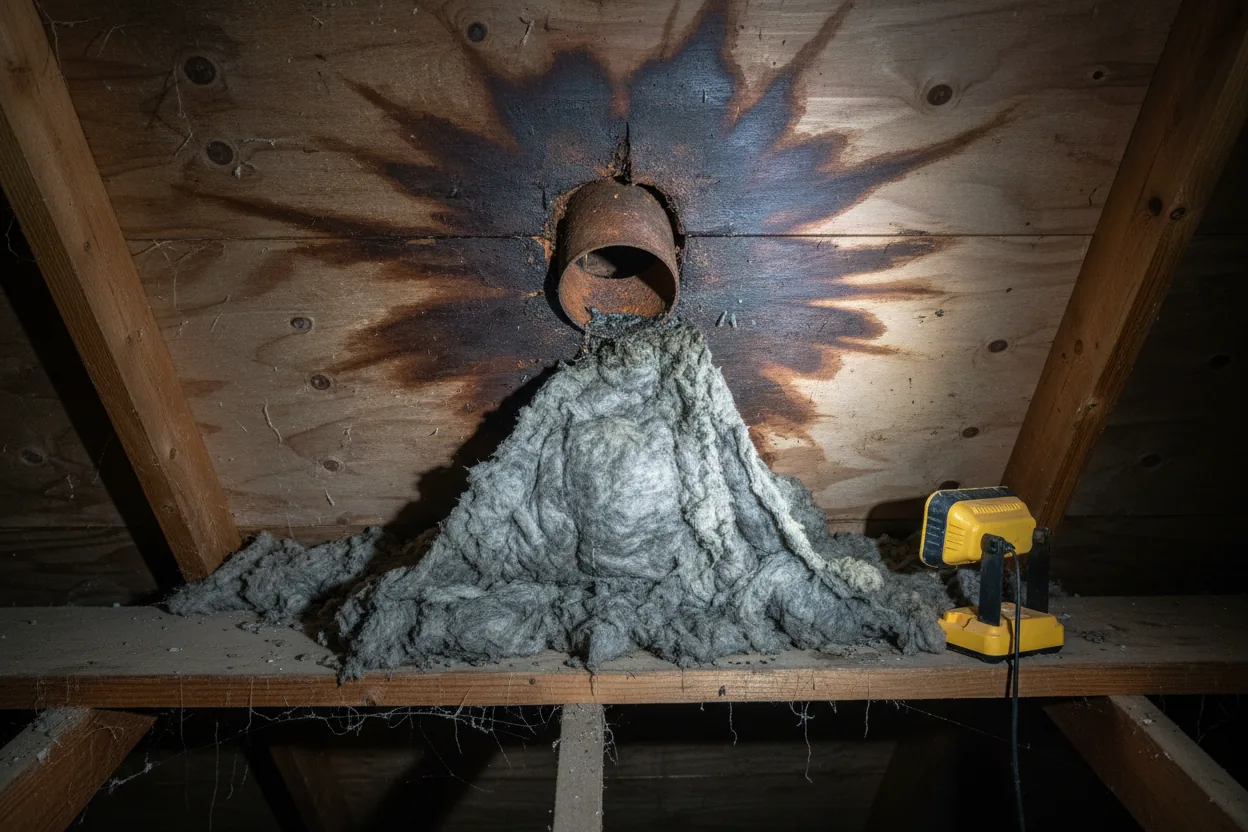
Gainesville Rapid Water Damage dries and repairs the interior damage caused by roof leaks across Gainesville and Alachua County....
Emergency 24/7 water damage
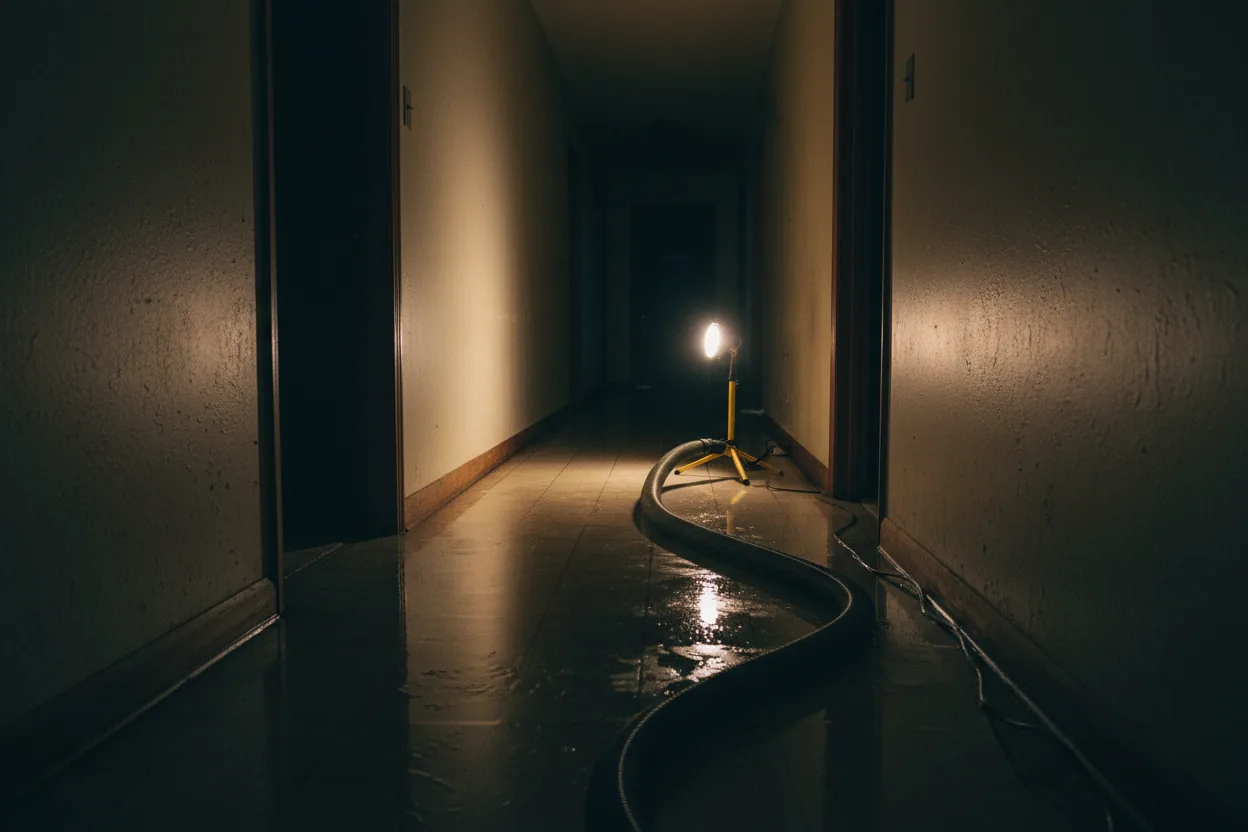
The first hour decides how much of your home comes out. We answer 24 hours a day, every day.
Flood cleanup
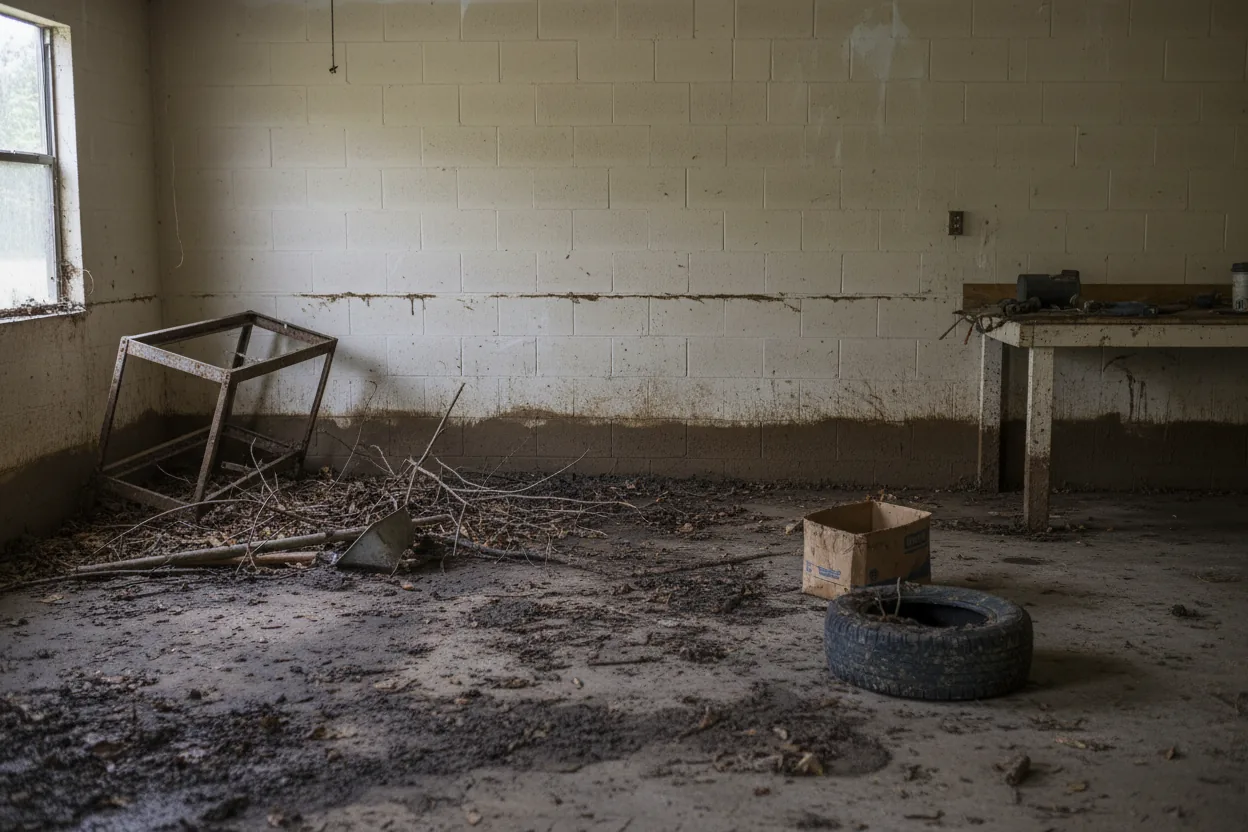
Gainesville Rapid Water Damage cleans up flood water that has entered buildings across Gainesville and Alachua County. Flood...
Water still moving? Call now.
Every hour wet material stays wet, the repair gets bigger. Gainesville Rapid Water Damage answers 24/7 and books a free on-site assessment across Gainesville and Alachua County.
Call (352) 450-6122 Same-day response*