Gainesville Rapid Water Damage: 24/7 water damage restoration in Gainesville, FL
Water moving through your home right now? We answer 24 hours a day and dispatch a crew across Alachua County the same day you call.
Call (352) 450-6122 Same-day response* across Gainesville and Alachua County
Water damage is a clock, not an event
Gainesville Rapid Water Damage stops the spread of water inside Gainesville and Alachua County homes and businesses, then dries the structure back to a documented moisture reading. We handle burst supply lines, failed water heaters, attic air handler overflows, roof leaks after summer storms, sewage backups and standing flood water. Alachua County sits on karst limestone, so groundwater moves in ways that surprise people who moved here from elsewhere, and a slab home can take on water from the yard side rather than from a pipe. We answer around the clock, arrive with meters and drying equipment, and give you a written scope your insurer can read.
Water damage is a clock, not an event. Drywall wicks moisture upward within hours, and the Environmental Protection Agency puts mold growth on wet material at 24 to 48 hours, which is why the first call matters more than any other decision in the job. Gainesville summers make that window shorter: afternoon humidity here regularly sits above 80 percent, so a room that would air-dry in a drier climate simply stays wet.
Call any hour and our virtual assistant takes the details. We book a free on-site assessment, tell you what we can reach today, and start extraction before the material has to be cut out.
Emergency water damage response across Gainesville
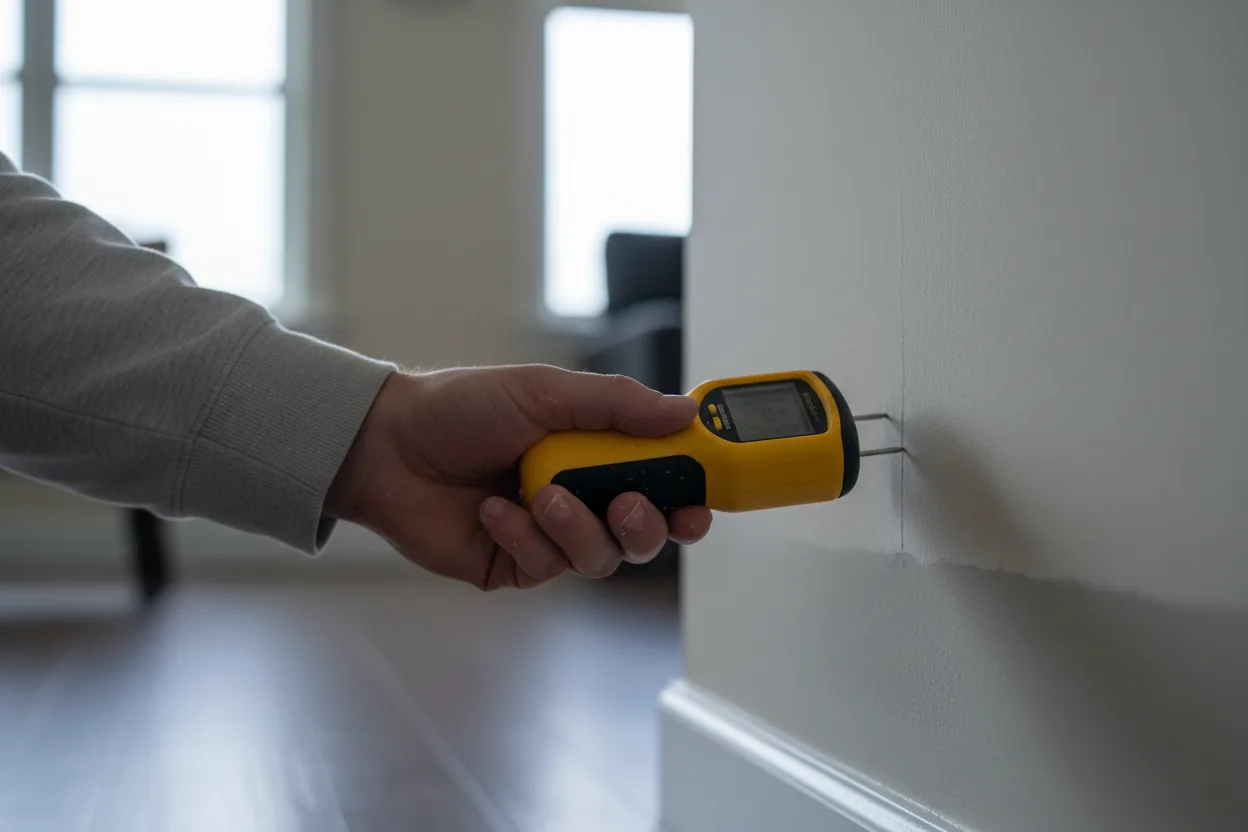
The first hour decides how much of your home gets removed. Our crews arrive with truck-mounted extraction, moisture meters and thermal cameras, find the full wet footprint rather than the visible edge, and set containment so the damage stops spreading into dry rooms.
Emergency water extraction in Gainesville
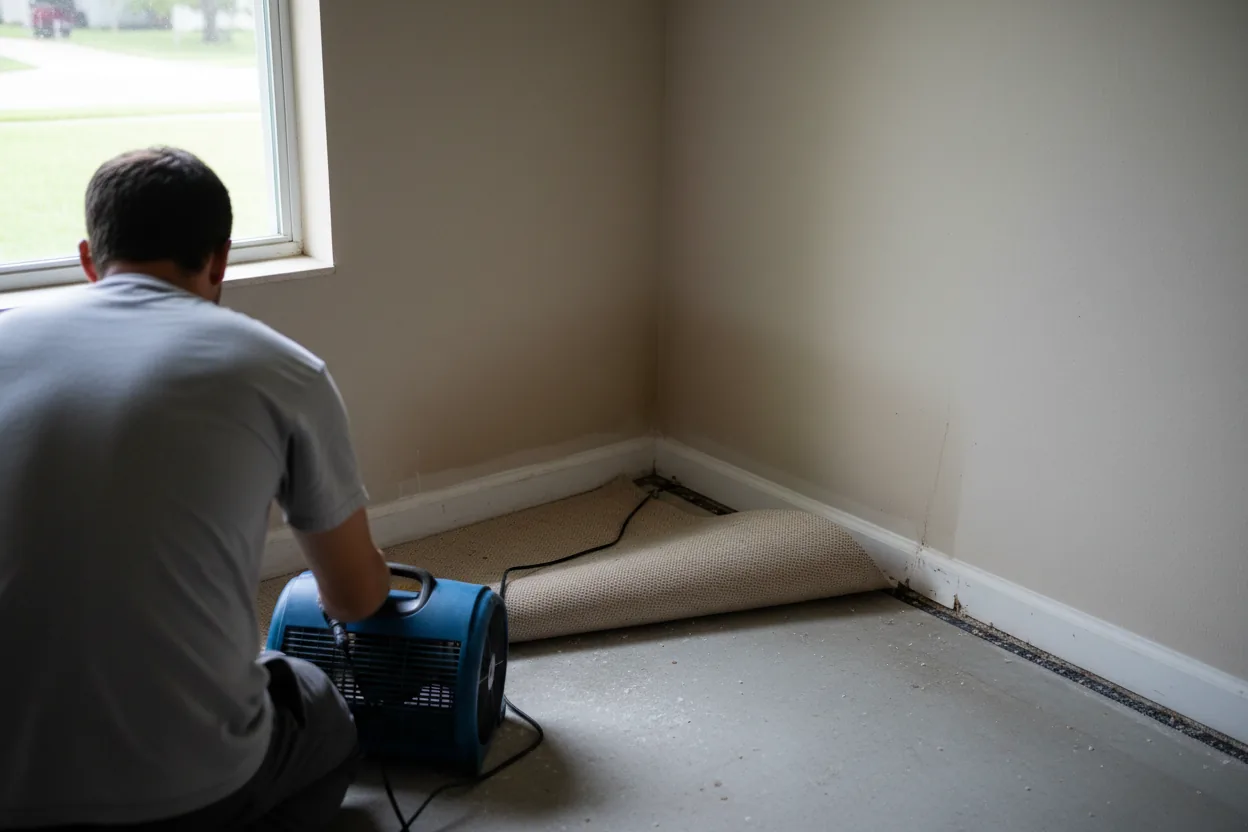
Standing water comes out first, before it wicks into drywall and subfloor. Extraction volume is what limits how much material survives, so it happens before any demolition decision is made.
Structural drying and moisture monitoring
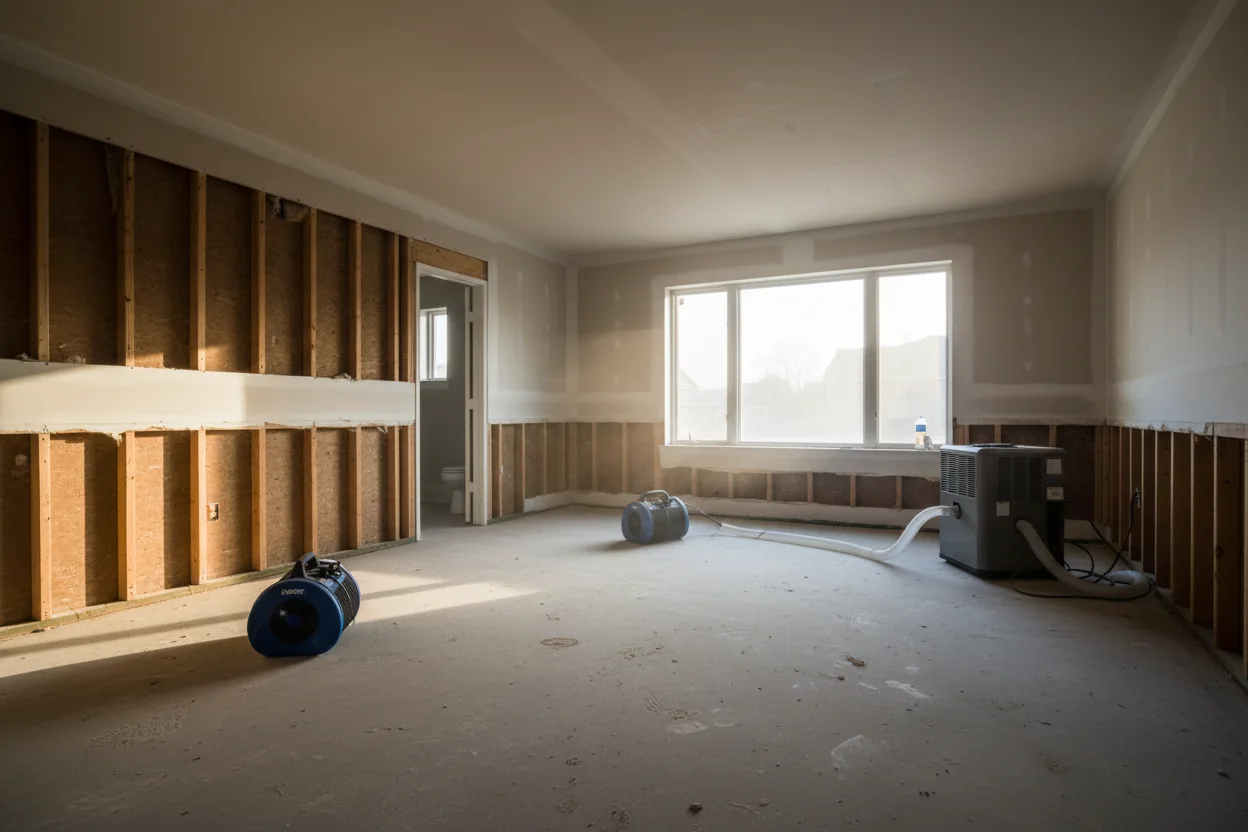
Air movers and dehumidifiers run against daily moisture readings, not a fixed number of days. We log the readings so the dry-out is provable rather than assumed.
Water damage repair and reconstruction
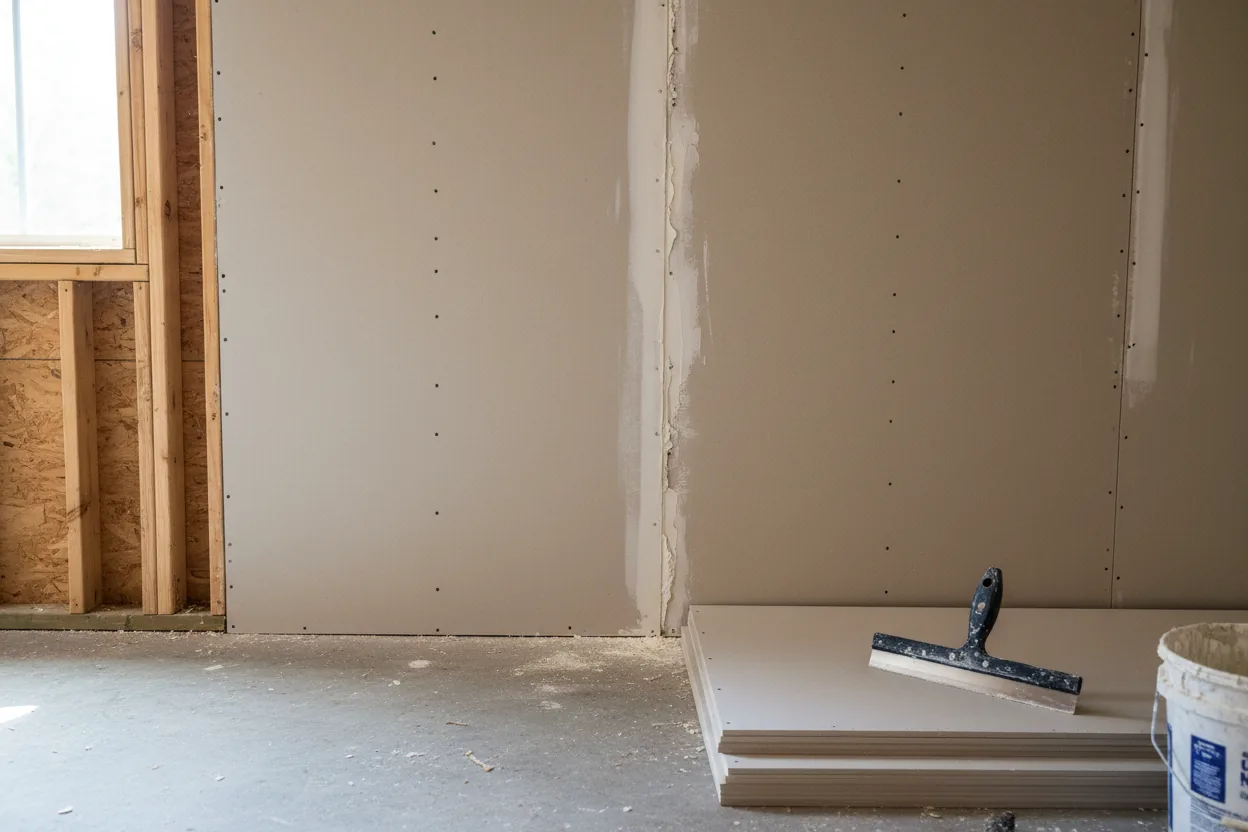
Once the structure reads dry, drywall, baseboard, insulation and flooring go back. Repair before dry is the single most common reason a job gets redone.
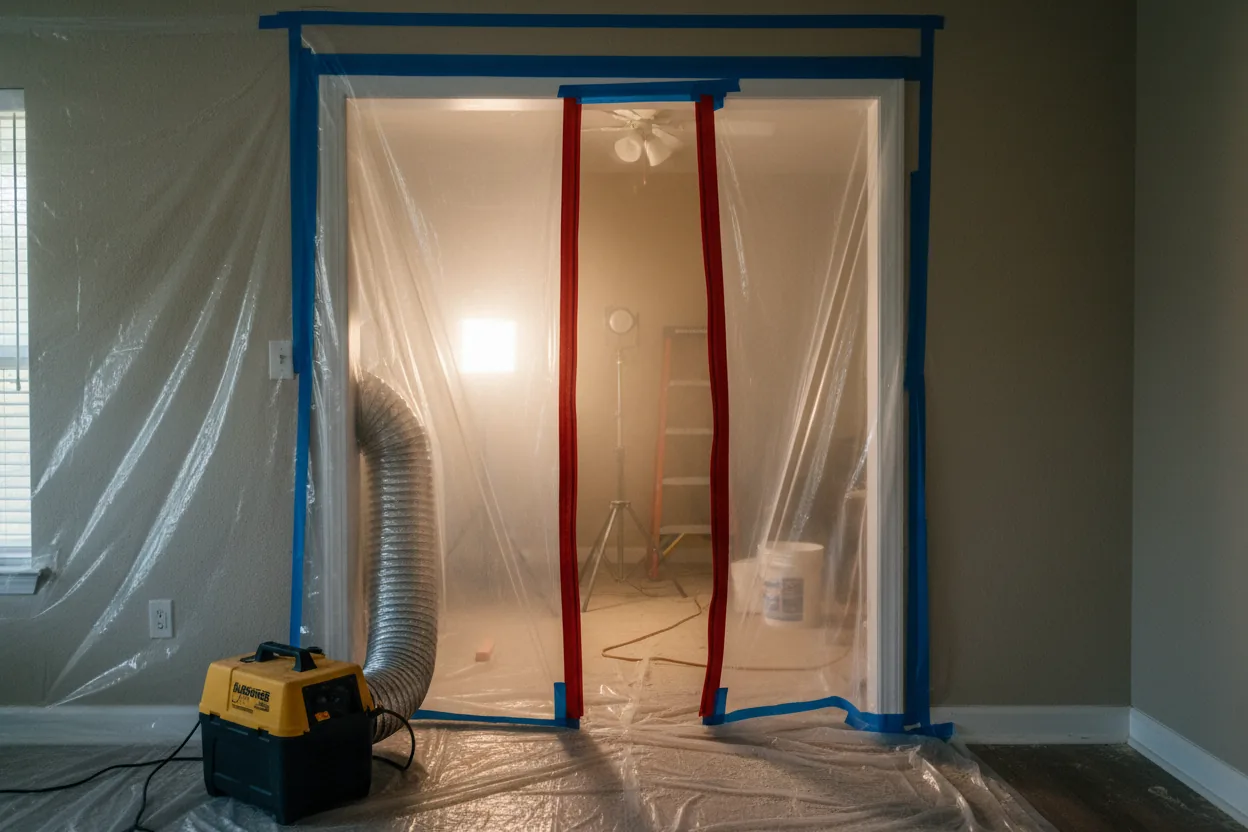
Mold remediation after water damage
Wet material left past about 48 hours grows mold. Remediation contains the area under negative pressure, removes affected material, and treats what stays.
Why Gainesville homes flood the way they do
This is not a generic Florida water problem. Alachua County has its own causes, and knowing them is how a crew finds the source instead of chasing the stain.
Hogtown Creek and the urban drainage corridors
Hogtown Creek runs through the middle of Gainesville and rises fast during summer convective storms. Homes along its floodplain and the connected storm drains take water from outside the building, not from any plumbing failure.
Karst limestone and a shifting water table
Devil's Millhopper, a 120-foot sinkhole inside the city, is the visible version of what sits under the whole county. Limestone lets groundwater rise into crawlspaces and against slabs in ways a pipe inspection will never explain.
Attic air handlers and condensate overflow
Most Gainesville homes built after the 1970s put the air handler in the attic. A clogged condensate line overflows into the ceiling below, which is why so many local losses appear first as a brown ring on a bedroom ceiling.
Older pipe in older housing stock
Homes built between roughly 1978 and 1995 may still carry polybutylene supply line, and pre-1975 houses often still drain through cast iron. Both fail from the inside out, so the first sign is usually water, not a warning.
Serving Gainesville and the rest of Alachua County
We cover the city and the county towns around it, including Alachua, Newberry, High Springs, Archer, Micanopy, Hawthorne, Waldo and the Jonesville and Tioga corridor. Response time varies with distance and weather, and we tell you honestly what we can reach today rather than promising a number we cannot hold.
Straight answers on price
What water damage restoration costs in Gainesville
Nobody can price a water loss without seeing it, and any company that quotes a flat number over the phone is guessing. What we can do is tell you exactly which factors move the price, so the estimate you get makes sense.
| What drives the price | Why it moves the number |
|---|---|
| Water category | Clean supply water is the cheapest. Grey water from an appliance costs more. Category three black water from a sewage backup requires removal of most porous material it touched. |
| Square footage actually wet | Priced on the wet footprint found by meter, not the room size. Water travels under flooring and behind baseboard, so the wet area is usually larger than the stain. |
| How long it sat | Under 24 hours often dries in place. Past 48 hours, porous material typically comes out, which turns a drying job into a demolition and rebuild job. |
| Material type | Tile over slab dries far cheaper than engineered wood or carpet with pad. Wet insulation in an attic almost always gets removed rather than dried. |
| Equipment days | Air movers and dehumidifiers are billed per unit per day. Gainesville humidity slows evaporation, so local dry times run longer than published national averages. |
| Access | A crawlspace under an older Duckpond home costs more to dry than an open slab living room, because equipment placement and monitoring are harder. |
Most homeowners policies cover sudden and accidental water damage, and typically exclude long-term seepage and rising surface flood water, which needs separate flood coverage. We photograph the loss, log moisture readings and write the scope in the format adjusters expect, so your claim is documented properly from the first visit.
Questions people ask
Questions people ask
How fast can you get to my house in Gainesville?
We answer 24 hours a day and dispatch as soon as a crew is free. Same-day response is our standard across Alachua County, though it depends on call volume and weather. During a countywide storm event, we tell you an honest window rather than a number we cannot hold.
Do I need to call my insurance company before you come out?
No. Call us first and stop the damage, then open the claim. The assessment is free and we document the loss with photographs and moisture readings from the first visit, which is exactly the evidence an adjuster asks for later.
How long does drying a Gainesville home take?
Most residential jobs run three to five days of active drying, confirmed by meter rather than by calendar. Gainesville humidity slows evaporation, so local dry times often run a day longer than national averages suggest for the same amount of water.
Will there be mold?
It depends almost entirely on time. The EPA puts mold growth on wet material at 24 to 48 hours. Water extracted and dried inside that window usually avoids remediation entirely, which is why the speed of the first call matters more than anything else.
Do you handle sewage backups?
Yes. A sewage backup is category three black water and is handled differently from a clean water loss: containment first, removal of porous material it contacted, then cleaning and antimicrobial treatment of what remains. This is not a job to attempt yourself.
What areas do you cover?
Gainesville and Alachua County, including Alachua, Newberry, High Springs, Archer, Micanopy, Hawthorne, Waldo and the Jonesville and Tioga corridor. Coverage past the county line depends on the job and the crew load that day.
Keep reading
Related
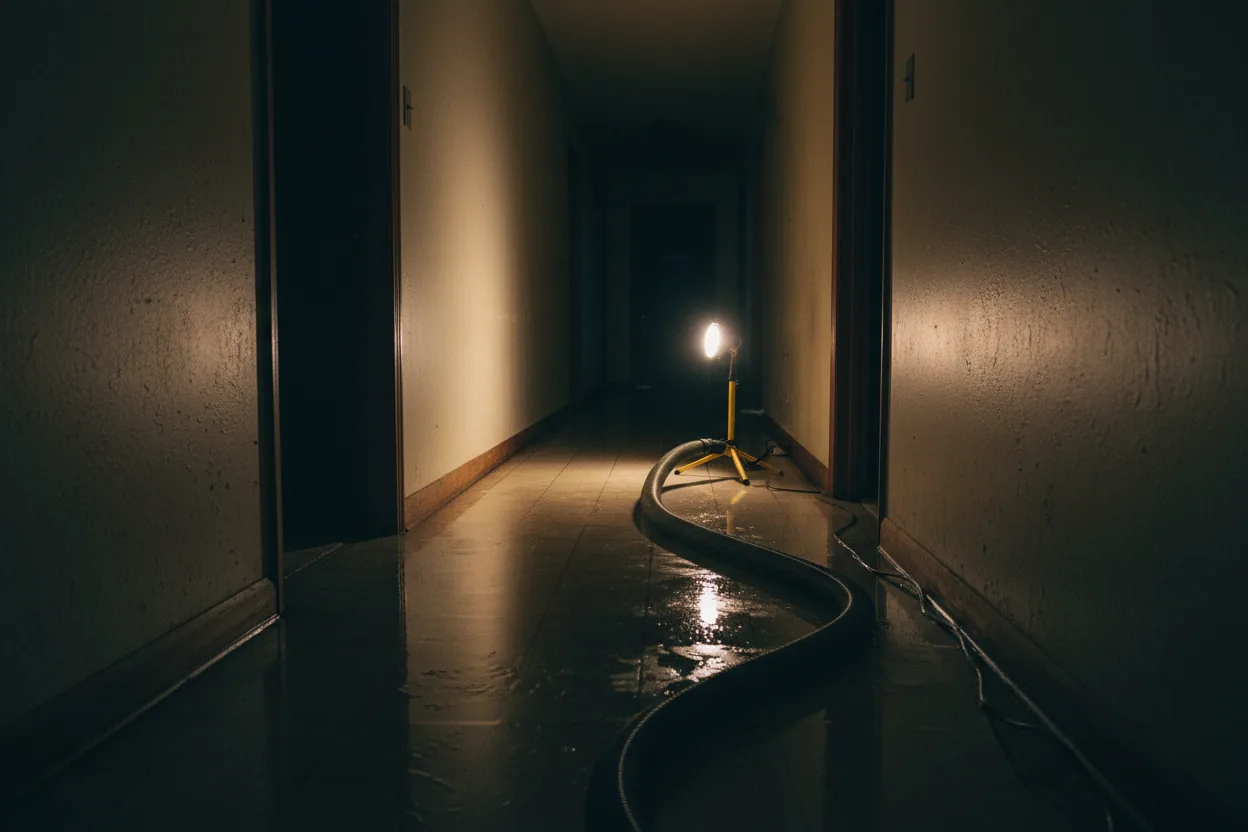
Emergency 24/7 water damage
The first hour decides how much of your home comes out. We answer 24 hours a day, every day.
Water extraction
Gainesville Rapid Water Damage removes standing and absorbed water from Gainesville homes and businesses with truck-mounted and...
Structural drying
Gainesville Rapid Water Damage dries Gainesville buildings to a documented moisture reading using air movers, dehumidifiers and...
Mold remediation
Gainesville Rapid Water Damage remediates mold growth that follows water damage in Gainesville and Alachua County buildings....
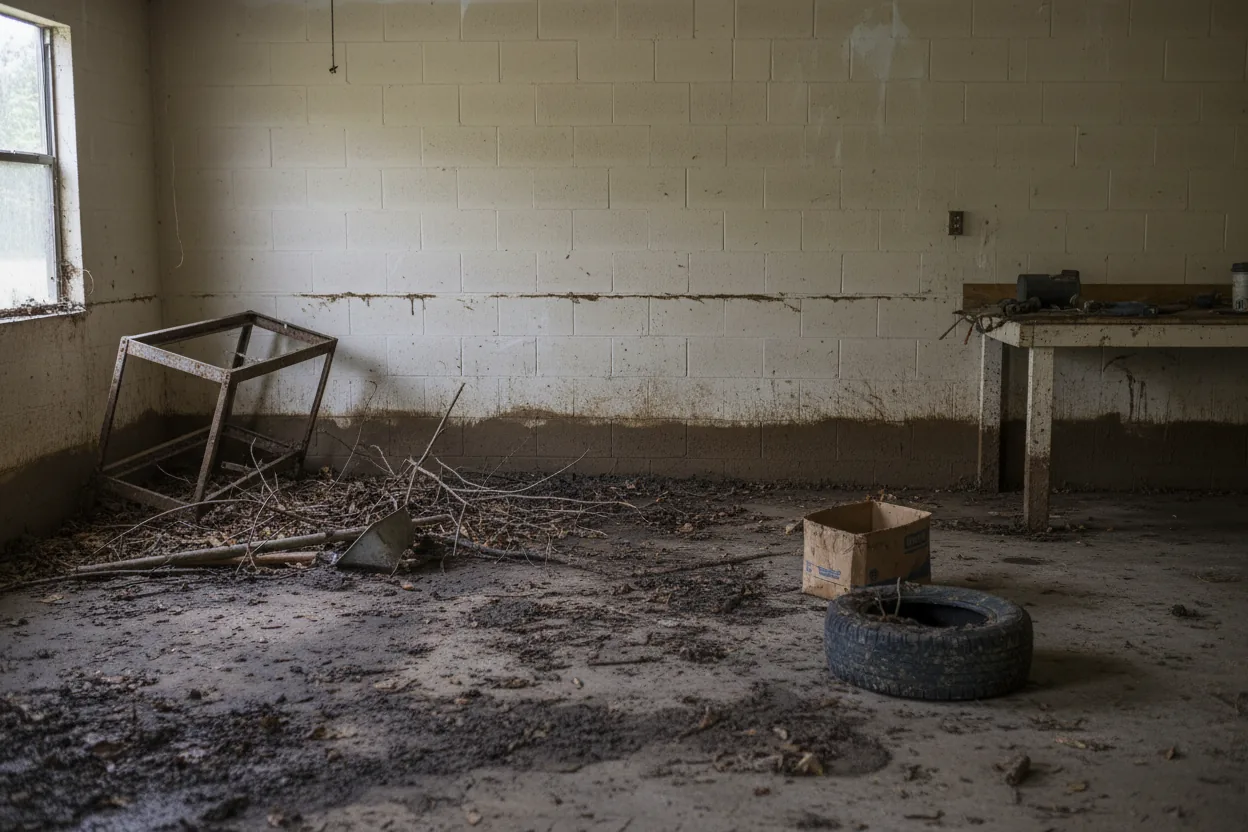
Flood cleanup
Gainesville Rapid Water Damage cleans up flood water that has entered buildings across Gainesville and Alachua County. Flood...
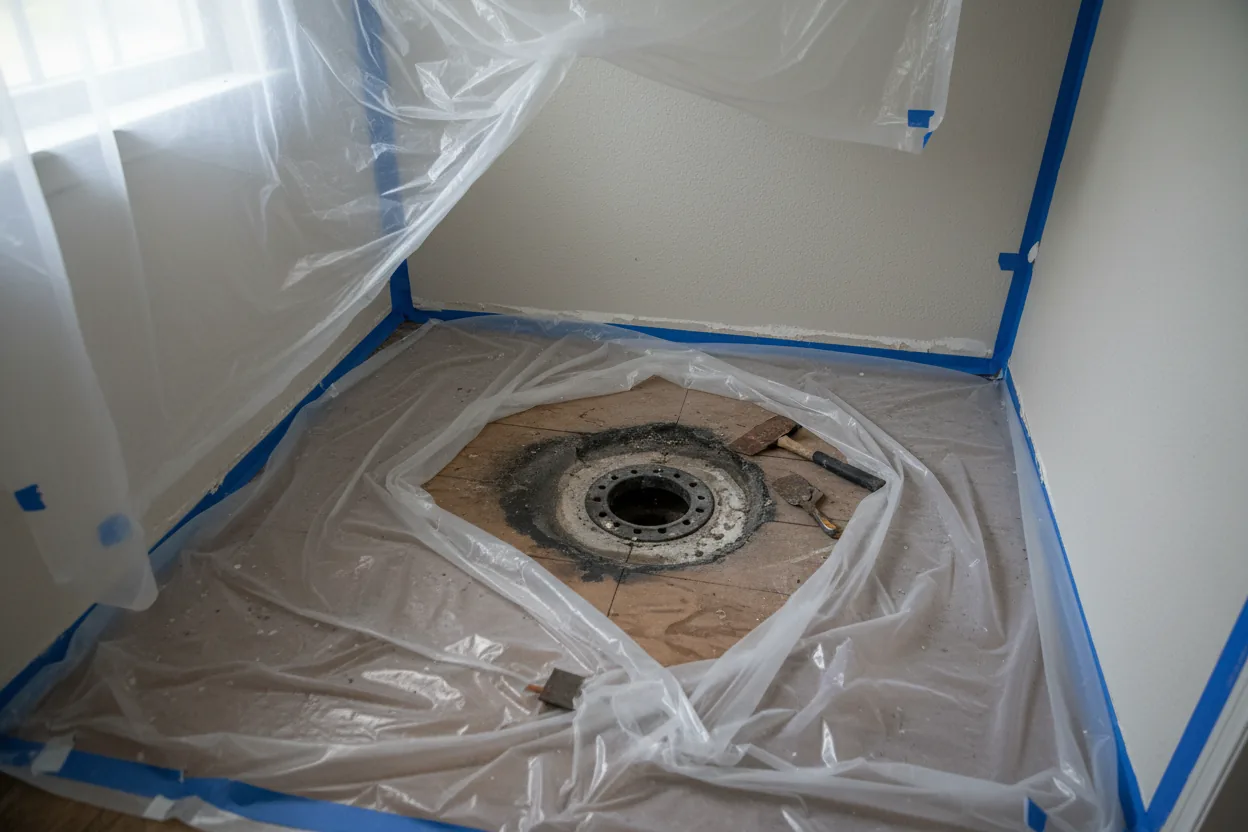
Sewage and black water cleanup
Gainesville Rapid Water Damage cleans up sewage backups in Gainesville homes and businesses under full containment. A sewage...
Water still moving? Call now.
Every hour wet material stays wet, the repair gets bigger. Gainesville Rapid Water Damage answers 24/7 and books a free on-site assessment across Gainesville and Alachua County.
Call (352) 450-6122 Same-day response*